

As time passes, things change.
When I started selling on Amazon in 2021 my view of how the process worked and the best ways to do it were much different than how I operate now.
The overall sentiment with selling on Amazon in 2026 is somewhat negative compared to past years because the game has gotten harder.
Many people have quit selling and a lot of gurus have disappeared off the face of the internet.
If Online Arbitrage was a stock, it’s price would be close to an all-time low.
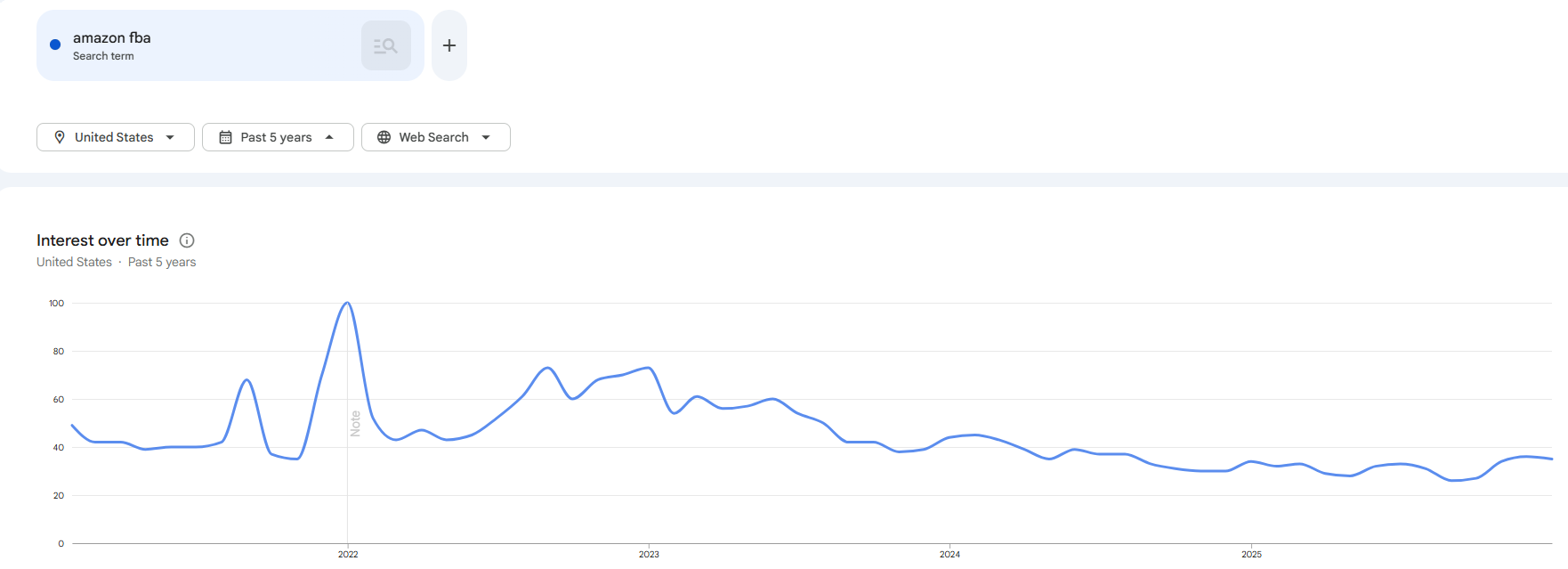
This has actually been a positive change for my business, as a lot of listings I sold on in the past have significantly less competition.
The game can still be beaten for anyone who wants it bad enough, and I’d like to provide updated resources for the 5-10% of you who will take action.
Expect more up to date articles in the coming weeks.
The Business Model
Arbitrage is a game that’s easy to learn, but difficult to master.
You’re simply identifying inefficiencies in the marketplace and making a profit as the middleman.
In ancient times, merchants would buy gold and silver in one civilization and then resell them in places where they had a higher value.
In the context of selling on Amazon, you’re buying underpriced items from retail stores and selling them to Prime customers.
The reason this works is the convenience that Amazon provides to it’s 200 million subscribers.
There are a lot of people out there who will happily pay double (and in some cases triple) the price of their favorite products to be delivered to their front door.
While that sounds crazy, you have to remember we live in a world where people will Door Dash a Chipotle burrito for $30 without batting an eye.
I got started by taking grocery items from Walmart for $4-6 and selling them online for $12-$15 back when FBA fees were lower.
At the other end of the spectrum, high income earners have no problem ordering a $50 bottle of perfume on Amazon for $90 when the alternative is driving 30 minutes to the mall and picking it up themselves.
Since there’s no product creation, website creation or marketing involved it’s a business that anyone with a half-decent work ethic can get into - however, making a full-time income doing this is no cakewalk.
How Amazon FBA Works
Amazon FBA is the primary method for how we sell our items.
In a sentence, we send our items to Amazon and they take care of the rest - this includes shipping, customer service and other logistics.
They obviously charge fees for this, but considering that they do most of the heavy lifting the fees are more than justified (and most profit calculators take these fees into account anyways).
Once our inventory is in the hands of Amazon, all we can really do is adjust our prices and wait for our items to sell.
I wrote a full post about the inventory life cycle here, but I’ll give a shortened version:
Stage 1 - Inbound shipping to Amazon
Amazon will give you a specific location where you will ship your items to.
They typically have ~10-15 fulfillment centers nationwide that are dedicated to receiving your FBA shipments.
You can’t just drive to the nearest Amazon fulfillment center and drop off a box of your shit (it honestly baffles me how many people have asked me this question).
Shipping prices for FBA are incredibly cheap, averaging out to $0.25-$0.50 per pound (done through UPS, Amazon’s partner carrier).
On average it should take 3-5 days for your shipment to be delivered.
Stage 2 - Check in / receiving
When your shipment makes it to the fulfillment center, it will be marked as “Delivered”. Delivered shipments are usually checked in within 24-48 hours, but depending on the time of year and how backed up they are it could take up to a week.
Once your items are received, they move to the next stage.
Stage 3 - FC Transfer
This is the stage that takes the longest and where most people get confused.
Your stuff does not immediately go up for sale with prime shipping.
Once your stuff is checked in, Amazon takes it and redistributes it to other fulfillment centers across the country.
This is commonly referred to as an FC transfer, and can take 2-3 weeks before your items are available for purchase with prime shipping.
Your items may be listed on Amazon, but the shipping time will be at least 2 weeks out.
The reason Amazon can provide 2 day shipping to so many places is because they spend so much time doing FC Transfers in the backend.
Stage 4 - Active Inventory
After a couple weeks, your items are now available for prime shipping.
You sell your items, and you get paid (Amazon obviously takes a cut).
The entire FBA process can take a while to get used to and you have to wait a few weeks before getting your first sale, but after you send in your items the logistical aspect becomes more or less “automated”.
Example Product
I’m going to save product research methods for future posts, but I’d at least like to give you an example of the types of items your could be selling.
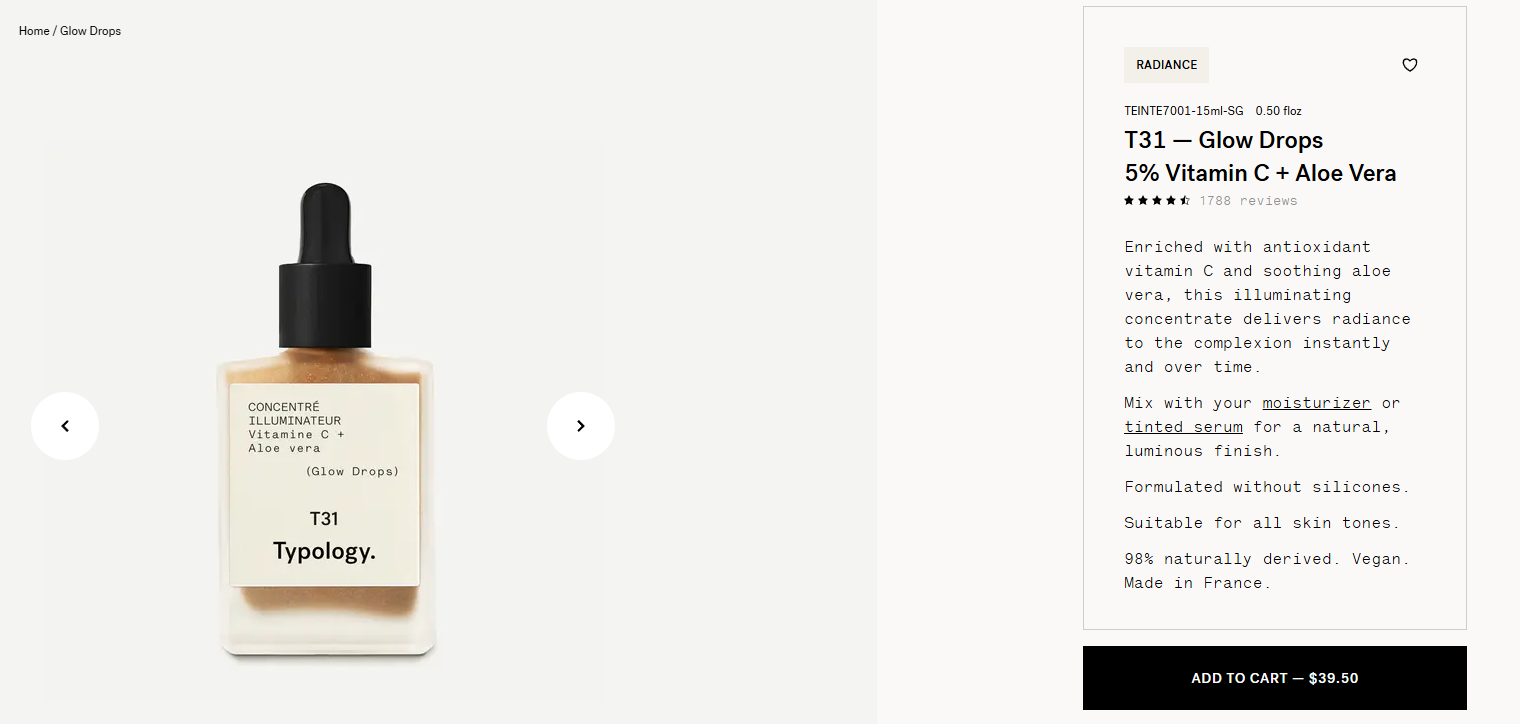
Here is a product from the beauty company Typology that you can buy right now for $39.50:
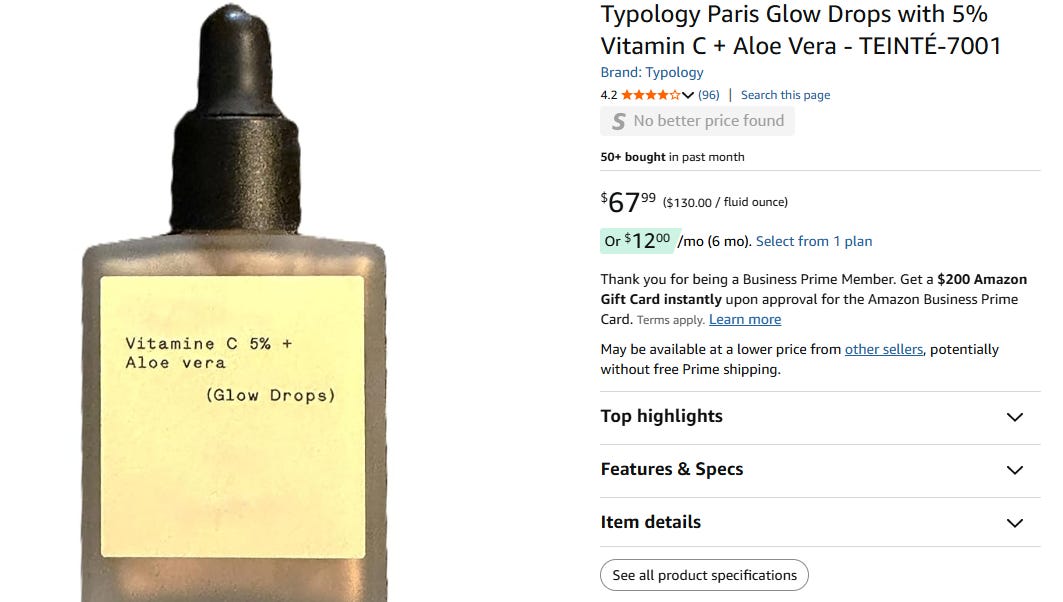
It’s currently selling on Amazon for $67.99:
Plug those numbers into SellerAmp (a tool I will write more about in another post) and you get the following output:
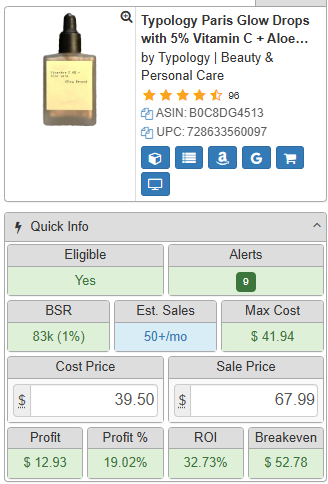
If you were to sell this item on Amazon, you would make just under $13 for simply putting a sticker on it and sending it to an Amazon fulfillment center.
This item sells between 50-100 units per month on average, and there are 7 other sellers on the listing.
You can jump on this listing and sell 10 units per month, making you over $100/month for this one product.
While that might not sound like much, the magic in this business model is in volume.
If you have 100 products in your inventory that are each generating between $50-$500 per month in profit, you have a storefront that is generating full-time income.
We are not looking to hit home runs - we just want to hit singles and doubles on a consistent basis.
I will post more in the coming weeks with product research / software tutorials - until then, drop your questions in the comments.
Great overview! Yes, less competition on listings has been nice compared to just a few years ago.
Well-written and refreshingly honest — it doesn’t sugarcoat the realities of the grind